
Is a Panel Swap the Right Upgrade for Your Home?
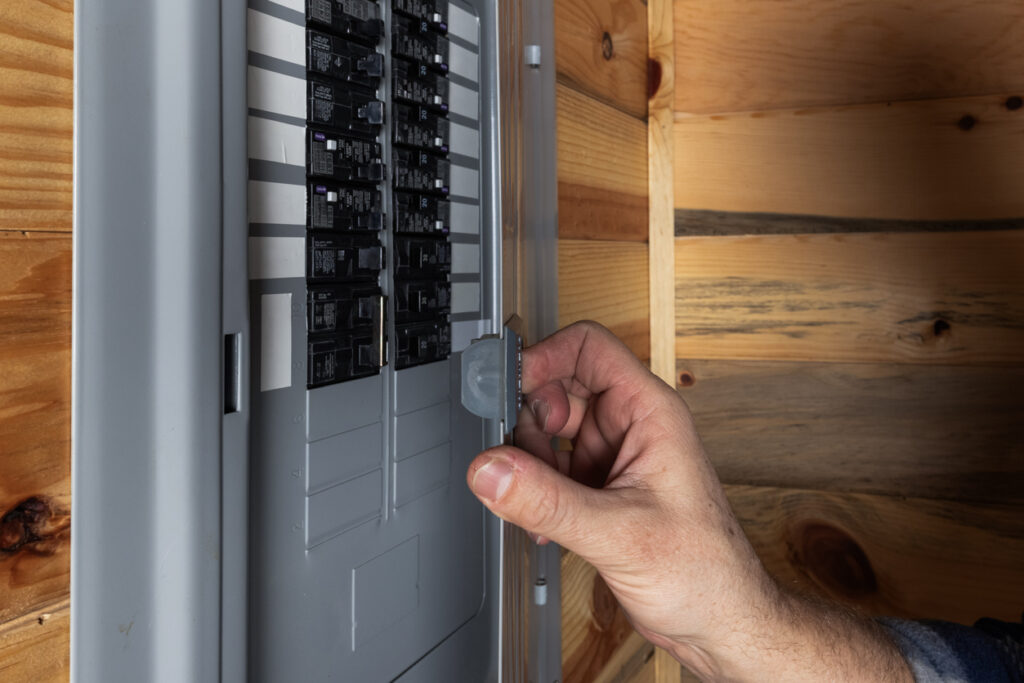
If you’ve been told your home needs a panel swap, you may be wondering what that means. A panel swap is a common electrical project, particularly in older homes. And what’s involved depends on your existing electrical system, the condition of your panel, and what you need your home to support now and in the future.
What Is a Panel Swap?
A panel swap, also called an electrical panel replacement, generally means removing your existing electrical panel and replacing it with a new one. Your electrical panel distributes electricity throughout your home and houses the circuit breakers that protect individual circuits. During a panel swap, the existing panel and breakers are replaced, circuits are transferred to the new panel, and the system is brought up to the requirements that apply to the project.
Something important to note: replacing your panel does not mean increasing the amount of electrical service coming into your home.
What’s the Difference between Panel Swap and Service Upgrade
Panel swap and service upgrade are often confused as the same thing, but they refer to two different types of electrical work. With a panel swap, the electrical panel itself is replaced. In many cases, the home may keep the same electrical service capacity. A service upgrade increases the amount of electricity available to the home. For example, upgrading from 100-amp to 200-amp service. This requires additional equipment and coordination beyond replacing the panel itself.
Why Would a Home Need a Panel Swap?
There are several reasons an electrician may recommend replacing an electrical panel.
Your panel is outdated or in poor condition
Electrical equipment doesn’t last forever. Age, wear, corrosion, damaged components, or other issues can make replacement the better option rather than continuing to repair an aging panel.
You’re running out of breaker space
Homes use electricity differently today than they did decades ago. If your panel has little or no room for additional circuits, that can become an issue when you want to make improvements.
You’re planning a remodel
A kitchen remodel, addition, basement renovation, or other home project can introduce new electrical requirements. Looking at the panel early in the planning process can help determine whether your existing system can accommodate those changes.
You’re adding new electrical equipment
An EV charger, induction range, hot tub, electrical heat pump water heater, or other major electrical equipment can increase the demands on your home’s electrical system. That doesn’t automatically mean you need a service upgrade. A licensed electrician can evaluate the existing system and perform a load calculation to determine whether your current electrical capacity is sufficient.
Does a Panel Swap Give You More Power?
Not necessarily. This is one of the most important things for homeowners to understand. A new electrical panel may give you newer equipment, additional breaker spaces, and a panel better suited to your home’s needs, but the size of the panel is not the same thing as the electrical service available to your home.
If your goal is to add significant new electrical loads, your electrician needs to look beyond the panel itself and evaluate your entire electrical service.For example, if you’re considering an EV charger while also replacing a gas range with induction and planning to install a heat pump, those combined electrical needs should be considered together.
Should You Swap Your Panel Before Adding an EV Charger or Remodeling?
Before starting a larger home project, it makes sense to have your electrical system evaluated as a whole. Thinking a few steps ahead can help you avoid replacing equipment now only to discover that another electrical change is needed later.
An electrician can look at:
- Your existing electrical service capacity
- The condition and size of your panel
- Available breaker space
- Your home’s current electrical demand
- New appliances or equipment you plan to add
- Future projects you may already be considering
What Happens During a Panel Swap?
Every home is different, but a typical panel swap project includes disconnecting power, removing the existing panel, installing the new panel and breakers, reconnecting the home’s circuits, labeling the new panel, and completing the required inspection process. Your electrical panel is the central distribution point for your home’s electrical system, and replacing it requires careful planning and proper installation. This is why panel replacement should be completed by a licensed electrician.
Thinking About a Panel Swap?
If your electrical panel is outdated, running out of space, or standing in the way of a remodel or electrical upgrade, it may be time to have it evaluated.
Exact Electric can assess your existing panel, your home’s electrical capacity, and what you want your home to support. Whether you need a straightforward panel swap, a service upgrade, or another solution, we’ll help you understand your options.
Have questions about your electrical panel? Contact us today.
Sign up for Empowering Electrical News
We won't share your information
Recent Posts






Get in Touch
"*" indicates required fields