
Fall Holiday Electrical Checklist

Football is on, the scent of pumpkin spice is in the air, and the season of gathering with family and friends is just around the corner. The holidays bring more people, more activity, and more demands on your home’s electrical system, making this a good time to ensure your home is safe, comfortable, and ready for the season ahead.
Whether you’re welcoming trick-or-treaters, preparing a Thanksgiving meal, or hosting overnight guests, a few simple checks around the house can help prevent electrical problems and make the season easier for everyone. Here’s our holiday electrical checklist to help you get started:
Make Your Entryways Safe and Welcoming
Daylight saving time ends soon, making exterior lighting important for you and your guests to see walkways, steps, and entryways clearly. Take a walk around your property after dark to see where lighting is needed. Pay attention to stairs, uneven walkways, and areas between your driveway and front door.
Exterior lighting checklist:
- Check your outdoor lights. Turn on porch, garage, driveway, and pathway lights. Replace burned-out bulbs and make sure fixtures are working properly.
- Look for dark spots. Consider adding motion-activated lights or pathway lighting in areas where visitors may have trouble seeing.
- Inspect outdoor outlets. Check for cracked or damaged covers. Outdoor outlets should have appropriate weather protection and GFCI protection.
- Keep cords out of walkways. Position Halloween decorations so electrical cords don’t create tripping hazards.
- Use outdoor-rated electrical products. Make sure extension cords, decorative lights, and electrical connections are suitable for outdoor use and protected from moisture.
Something to consider: If you find yourself running extension cords across the yard every Halloween or holiday season, adding permanent outdoor outlets may be a safer and more convenient solution.
Give Your Kitchen an Electrical Check Before Thanksgiving
Thanksgiving dinner means more appliances running simultaneously than on a typical day. Between the oven, slow cooker, electric griddle, mixer, and other countertop appliances, your kitchen’s electrical circuits may be working harder than usual.
Before the holiday cooking begins, take a few minutes to check the outlets and appliances you’ll be using.
Kitchen electrical checklist:
- Test your GFCI outlets. Press the TEST button on each GFCI receptacle, then press RESET to restore power. If an outlet doesn’t respond properly, have it inspected.
- Inspect appliance cords. Look for frayed insulation, exposed wires, damaged plugs, or discoloration. Stop using any appliance with a damaged cord.
- Check outlet conditions. If an outlet feels warm, has visible discoloration, or doesn’t hold a plug securely, have an electrician inspect it before using it.
- Plan where appliances will plug in. Avoid connecting several high-wattage appliances to the same circuit.
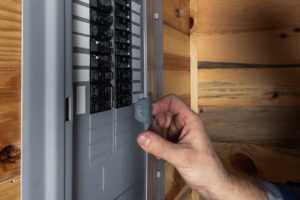
- Pay attention to circuit breakers. Breakers that trip when multiple appliances are running may indicate an overloaded circuit or another electrical issue.
Important: If a breaker repeatedly trips, don’t ignore it or keep resetting it. Have a licensed electrician determine what’s causing the problem. Your kitchen may benefit from an additional dedicated circuit, especially if you regularly use multiple appliances.
Test Your Smoke and Carbon Monoxide Detectors
With more cooking, heating, and fireplace use during the fall and winter, working smoke and carbon monoxide alarms are especially important.
Daylight saving time ends on November 1, 2026, which is a convenient reminder to replace the batteries in the alarms throughout your home. However, alarms should be tested monthly, not just twice a year.
Home safety alarm checklist:
- Test every alarm. Press the test button on each smoke and carbon monoxide alarm and confirm that it responds according to the manufacturer’s instructions.
- Replace the batteries. Install fresh batteries in smoke and carbon monoxide alarms with replaceable batteries to help ensure they’re ready when you need them.
- Know which alarms have sealed batteries. Many newer alarms contain sealed, long-life batteries that cannot be replaced. When these units reach the end of their service life, replace the entire alarm.
- Check expiration dates. Smoke alarms generally need replacement 10 years after manufacture, while carbon monoxide alarms have varying lifespans. Check the manufacturer’s instructions and replace alarms that have expired. If your smoke alarm has turned yellow, it may also be a sign that it’s time for a replacement.
- Confirm alarm placement. Smoke alarms should be installed inside bedrooms, outside sleeping areas, and on every level of the home. Check that carbon monoxide alarms are installed in the required locations as well.
Helpful reminder: Hardwired smoke alarms may still contain backup batteries that need replacement. Even hardwired alarms have a limited service life and must eventually be replaced.
Make Your Home Comfortable for Overnight Guests
When family and friends come to stay, guest rooms, hallways, and bathrooms often get more use than usual. A few electrical improvements can make these spaces safer and more convenient. Think about how guests will move through your home, especially at night, and whether they can easily access lighting and outlets.
Guest-ready checklist:
- Check bedside outlets. Make sure guests have convenient places to charge phones and other devices without stretching cords across the room.
- Improve hallway and stairway lighting. Replace burned-out bulbs and consider nightlights or motion-activated lighting in areas guests may use after dark.
- Inspect switches and outlets. Look for loose outlets, cracked cover plates, damaged switches, or lights that flicker unexpectedly.
- Check bathroom GFCI outlets. Test these outlets to confirm they’re working properly before guests arrive.
- Avoid temporary wiring solutions. Don’t run extension cords under rugs, through doorways, or behind furniture where they could become damaged.
For more lighting tips check out our blog post about Lighting Your Home for the Way You Live.
Inspect Holiday Decorations Before Plugging Them In
Before you put up your Halloween decorations and holiday lights, take time to inspect everything that requires electricity. Decorative lights and electrical displays spend much of the year in storage, where cords can become damaged, connections can loosen, and moisture can seep in.
Holiday decorating checklist:
- Inspect every light strand. Look for frayed wires, cracked sockets, damaged plugs, and loose connections. Recycle damaged strands rather than attempting unsafe repairs. Local hardware stores and recycling facilities often accept holiday lights for safe disposal.
- Use the correct lights. Check product labels to confirm whether decorations are rated for indoor or outdoor use.
- Follow manufacturer limits. Never connect more light strands together than the manufacturer recommends.
- Consider LED lighting. LED holiday lights typically use less electricity and produce less heat than traditional incandescent bulbs.
- Keep cords away from heat and foot traffic. Don’t run cords under rugs, pinch them in doors or windows, or place them near fireplaces and heaters.
- Use timers. Outdoor-rated timers can automatically turn decorative lights on and off, reducing unnecessary energy use.
- Turn decorations off when unattended. Switch off electrical decorations before going to bed or leaving the house.
Do You Have Enough Outdoor Outlets?
If your holiday decorating setup depends on multiple extension cords, adapters, or power strips, it may be time to consider how you’re supplying power. Additional outdoor outlets with appropriate weather protection and GFCI protection can make decorating easier while reducing the need for temporary cords. A licensed electrician can help determine the best locations and whether your existing circuits have enough capacity for the lighting and decorations you plan to use.
Know the Electrical Warning Signs You Shouldn’t Ignore
As you prepare your home for the holidays, pay attention to electrical problems you may have overlooked during the year. Some warning signs are easy to dismiss until increased electrical use makes them more noticeable.
Contact a licensed electrician if you notice:
- Circuit breakers that keep tripping
- Outlets or switches that feel unusually warm
- Buzzing or crackling sounds coming from outlets or switches
- Flickering or dimming lights that occur frequently or when appliances turn on
- Burning odors or visible discoloration around electrical devices
- Outlets that no longer hold plugs securely
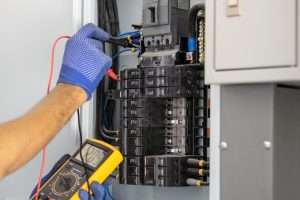
These issues can indicate loose connections, overloaded circuits, damaged wiring, or other electrical problems.
Important: If you notice a burning smell, smoke, sparks, or significant overheating, stop using the affected equipment if you can do so safely and seek immediate professional assistance. Don’t attempt to investigate or repair electrical wiring yourself.
A Little Preparation Goes a Long Way
The holidays are busy enough without unexpected electrical problems. Taking time to check your lighting, outlets, safety alarms, and electrical setup can help make your home safer, more comfortable, and better prepared for the additional activity that comes with the season. We help homeowners identify and address electrical concerns, improve everyday convenience, and prepare their homes for changing needs.
Have an electrical issue you’d like to take care of before the holidays? Contact us today.
Sign up for Empowering Electrical News
We won't share your information
Recent Posts






Get in Touch
"*" indicates required fields