
Creating Flexible Electrical Systems for Dynamic Commercial Spaces
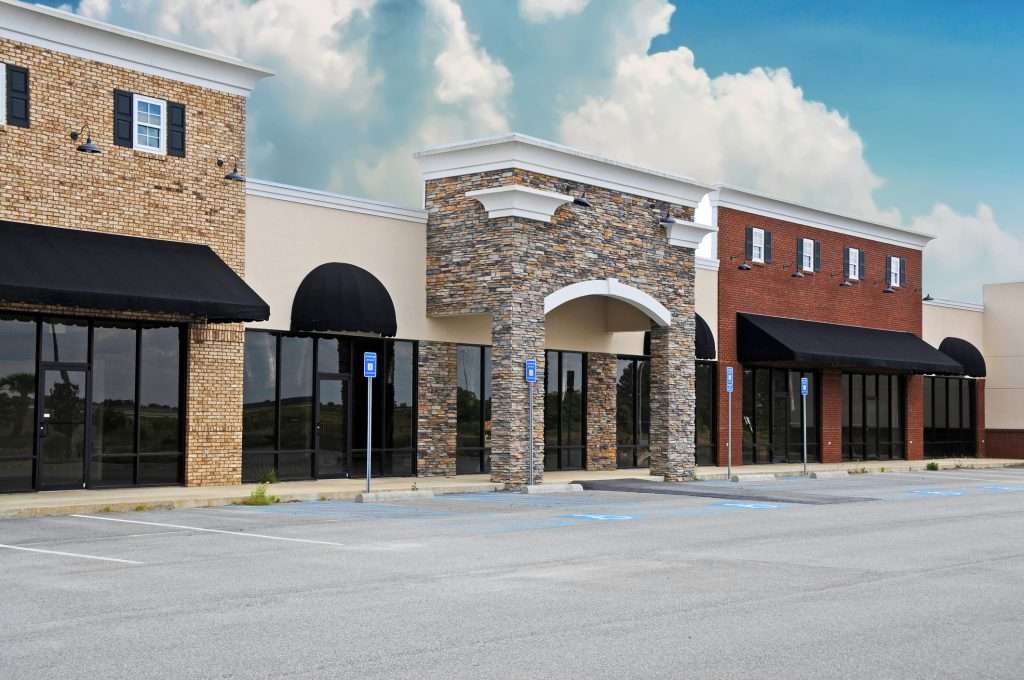
The demands of modern commercial spaces are evolving rapidly. Businesses now require environments that can adapt to new functions, reconfigurations, and expansions without significant downtime or overhaul. This shift emphasizes the importance of designing flexible electrical systems that can support these changing needs, ensuring spaces are as dynamic as the businesses that occupy them.
Why Flexibility Matters in Electrical Systems
Tenant needs change frequently, whether due to business growth, shifts in operations, or technology updates. An electrical system designed with adaptability in mind allows for seamless modifications, accommodating new equipment, layout changes, and additional power demands without extensive rework. This approach not only supports a better tenant experience but also enhances the value of the property by making it easier to attract and retain tenants who know they can scale and modify their spaces as needed.
Benefits of Investing in Flexible Electrical Systems
Reduced Downtime: Making quick changes or expansions without significant disruption minimizes downtime for tenants and keeps businesses running smoothly.
Cost-Effective Modifications: Upfront investment in a flexible system can save money on future renovations and electrical work.
Improved Tenant Retention: Tenants are more likely to stay long-term if they know the space can evolve with their business needs.
Higher Property Value: Buildings with adaptable electrical systems stand out in the market and can command higher lease rates due to their advanced infrastructure.
Key Features of Flexible Electrical Systems
Modular Power Distribution
Modular electrical systems provide the foundation for flexibility. Using pre-fabricated components, such as plug-and-play wiring and modular panels, allows quick reconfiguration and expansion. This type of system can support open office plans, retail spaces, and mixed-use developments where the layout might change based on tenant preferences or operational needs.
Advantages: Reduced labor costs and minimal disruption during reconfiguration, making modifications faster and more cost-effective.
Scalable Power Capacity
Designing electrical infrastructure with scalable capacity ensures that a space can accommodate increased electrical loads as needed. For instance, implementing transformers and switchgear that can handle higher capacities or preparing the system with spare conduits allows future expansions without starting from scratch.
Implementation Tip: Build in extra capacity in the main distribution panels and ensure breaker spaces are available for easy future upgrades.
Smart and Automated Systems
Integrating smart electrical systems that use IoT and building automation helps facilitate quick adaptations. These systems can include programmable lighting controls, smart circuit breakers, and energy management solutions. This not only makes the system more efficient but also enables remote monitoring and adjustments, aligning with the trend toward smarter, more energy-conscious buildings.
Key Features: Occupancy sensors, automated energy management tools, and remote access to electrical controls.
Flexible Conduit and Raceway Solutions
The use of flexible conduits and raceways allows electrical wiring to be more easily re-routed or extended. These systems are ideal for spaces where the floor plan might change over time, such as co-working spaces or retail environments that frequently update their layouts.
Example: Ceiling-mounted raceways or under-floor electrical systems that can be accessed and modified without significant construction work.
Designing for Tenant Modifications
To create an adaptable electrical system, collaboration in the planning stages is critical. Engaging with architects, electrical engineers, and future tenants can help anticipate potential modifications and tailor the design to allow for flexibility. Open communication ensures that the electrical infrastructure can accommodate specific needs, such as additional outlets, custom lighting, or unique power requirements for specialized equipment.
Proactive Steps Include:
- Design with spare circuits and breaker spaces in mind.
- Choose distribution panels that can be upgraded or expanded.
- Use color-coded wiring to simplify identification during future modifications.
Future-Proofing with Sustainability in Mind
Flexibility in electrical systems is about accommodating change and integrating sustainable practices. Leveraging energy-efficient technology, such as LED lighting and automated power management, allows spaces to scale responsibly without increased energy consumption. Incorporating solar panel readiness or EV charging infrastructure as part of an adaptable design can meet future sustainability needs as more businesses aim for greener operations.
For more tips on how to keep your electrical systems running smoothly year-round, stay informed and if you have questions please don’t hesitate to contact us.
Sign up for Empowering Electrical News
We won't share your information
Recent Posts






Get in Touch
"*" indicates required fields