
Homeowner’s Guide to Essential Electrical Knowledge
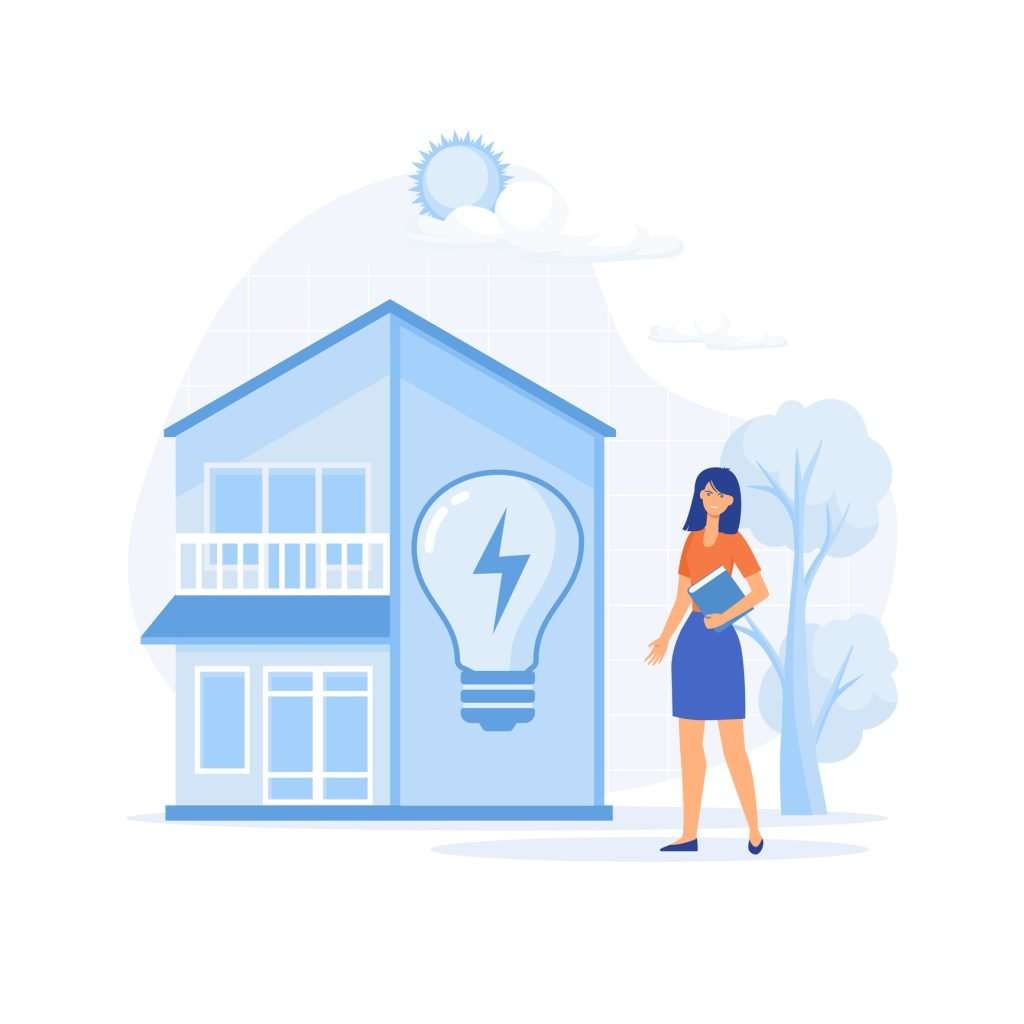
Your home’s electrical system powers everything you rely on daily, yet it often gets overlooked until a problem arises. Understanding key aspects of your electrical system can keep your home safe, efficient, and running smoothly.
Here’s a practical guide to what every homeowner should know about maintaining and optimizing their home’s electrical setup.
Know Your Home’s Electrical Capacity
Before adding new appliances or upgrading any part of your home, take time to understand how much electrical load your system can handle. Exceeding your home’s electrical capacity can lead to overloaded circuits, tripped breakers, and other safety hazards. Whether you’re thinking about installing a home office setup, a high-efficiency washer, or an electric vehicle charging station, knowing the limits of your electrical panel helps you plan for safe upgrades or improvements.
Arc Fault Circuit Interrupters (AFCIs)
A safety must-have, AFCIs prevent electrical fires caused by damaged or faulty wiring. These devices detect electrical arcs, sparks that occur when electricity jumps across a gap, and shut off the circuit to prevent a fire from starting. If your home is older or if you’re planning any rewiring, installing AFCIs is an important safe-guard.
GFCIs: Essential in Wet Areas
Ground Fault Circuit Interrupters (GFCIs) prevent electrical shock, especially in areas prone to moisture such as bathrooms, kitchens, and outdoor spaces. These devices monitor the flow of electricity and shut off the circuit if an imbalance is detected, protecting you from electric shock. Make sure you have GFCIs installed where needed and test them regularly to ensure they’re functioning properly.
Whole-House Surge Protection
Many homeowners rely on power strips for surge protection, but they only cover the devices plugged into them. A whole-house surge protector, installed at the main electrical panel, protects everything in your home from power surges, including large appliances and sensitive electronics. This type of protection is especially useful during storms or when dealing with power fluctuations from major appliances.
Regular Electrical Maintenance
Prevention pays off. Just like your car needs regular maintenance, so does your home’s electrical system. Routine electrical inspections can catch potential problems–like worn-out wiring or overloaded circuits–before they become expensive, hazardous issues. Scheduling an inspection every few years helps ensure that your system is up to code and operating efficiently.
Energy Audits for Savings
If you’re looking to cut down on energy costs, start with an energy audit. An electrician can help identify areas where your home may be wasting energy, whether it’s outdated appliances, inefficient lighting, or insufficient insulation. Making energy-efficient upgrades, such as installing LED bulbs or a smart thermostat, can lead to noticeable savings on your energy bills.
Smart Home Systems
Integrating smart home systems like lighting controls, programmable thermostats, and energy management apps can help you save time and money. An electrician can ensure these systems are installed properly and work seamlessly with your home’s electrical setup. Smart systems don’t just add convenience–they can also reduce energy consumption by automating the way your home uses electricity.
Be Prepared for Emergencies
Knowing the basics of how to handle an electrical emergency can save you time and reduce potential damage. For example, knowing how to reset a tripped breaker or when to shut off the main breaker in an emergency are basic skills every homeowner should have. If an emergency does arise, don’t hesitate to call a licensed electrician for help.
Backup Power Systems
Backup power solutions like generators or battery storage keep your home running smoothly during power outages. Whether you’re dealing with frequent outages or want peace of mind during storm season, a professionally installed backup power system ensures that essential devices and appliances–such as refrigerators or medical equipment–stay powered when the grid goes down.
Know When to Upgrade Wiring
If your home is more than 40 years old or you’ve experienced frequent electrical issues, it may be time to evaluate the condition of your wiring. Homes with older wiring types, such as knob-and-tube or aluminum wiring, can be less safe and less efficient. Upgrading to modern, properly insulated wiring reduces fire risks and ensures your home’s electrical system can handle today’s power demands. Check out these signs it’s time to upgrade your wiring.
If you’re unsure about any aspect of your home’s electrical system, reach out to a licensed electrician who can provide professional guidance and support. It’s always better to address potential issues before they become major problems. We can help – contact us!
Sign up for Empowering Electrical News
We won't share your information
Recent Posts






Get in Touch
"*" indicates required fields