
10 Most Common Electrical Myths, Busted

10 Most Common Electrical Myths, Busted
Even the most well-intentioned homeowners can fall for common misconceptions about how electricity works. Outdated advice and “quick fixes” often spread from one generation to the next, creating confusion that can lead to safety risks, higher costs, or system damage. Let’s separate fact from fiction to help you better understand your home’s electrical system and make informed, reliable decisions. If you have questions, contact us.
1. Turning lights on and off uses more power than leaving them on.
Myth: Flipping lights off wastes more energy than just leaving them running.
Fact: This is false. It always saves energy to turn lights off when you’re not using them, even if you’ll be gone for only a few minutes. Modern LEDs in particular are not affected by frequent switching, so turn them off without hesitation.
2. All surge protectors are the same.
Myth: A $10 power strip protects your expensive electronics just as well as a top-tier surge protector.
Fact: Basic power strips only provide additional outlets and don’t necessarily offer surge protection. Even among true surge protectors, quality matters including the joule rating, response time, and whether they include thermal fuses. For sensitive equipment like TVs, computers, and medical devices, investing in a higher-quality surge protector is worth every penny.
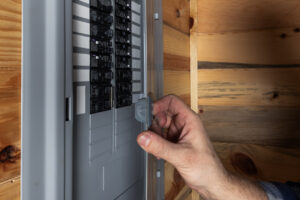
3. A tripped breaker means something is wrong with the panel.
Myth: If a breaker trips, your panel must be failing.
Fact: Breakers are designed to trip. It’s how they protect your home from overheating, fire, or overloaded circuits. Occasional trips are normal. But frequent tripping is a sign that your circuit is overloaded or that your home’s wiring and panel need to be evaluated.
4. If it works, it’s safe.
Myth: As long as an outlet, light, or appliance turns on, everything is fine.
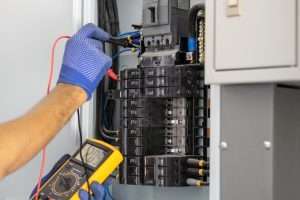
Fact: Electrical systems can function while still posing serious risks. Outdated wiring, loose connections, or improper grounding can create fire or shock hazards long before visible failure. If your home is older or you’re unsure of its wiring condition, an electrical inspection is a smart safety step.
5. Wood and rubber always insulate you from electricity.
Myth: Standing on a wood floor or wearing rubber-soled shoes will protect you from shock.
Fact: Only materials specifically rated as electrical insulators can reliably block current. Many household rubbers are conductive, and moisture in wood can carry electricity. Never rely on flooring or footwear for safety. Always turn off power before working with electricity.
6. Extension cords are a permanent solution.
Myth: If an outlet is too far away, just run an extension cord long-term.
Fact: Extension cords are designed for temporary use. Long-term reliance on them increases fire risk and can overload circuits. If you need power in a different area, installing a proper outlet is the safest choice.
7. Old homes can’t handle modern electricity.
Myth: If your house was built decades ago, it’s doomed to constant electrical problems.
Fact: Many older homes can safely support modern electrical needs , but they may need upgrades like panel replacements, grounded outlets, or new wiring. With the right updates, even a century-old house can power today’s tech-heavy lifestyles.
8. More outlets mean more power.
Myth: Adding more outlets lets you plug in more devices without worry.
Fact: Outlets are just access points and they don’t increase the amount of power available. If the circuit isn’t designed for high demand, additional outlets can lead to overload and frequent breaker trips.
9. DIY electrical work is fine if you’re careful.
Myth: Anyone with basic tools and YouTube tutorials can safely handle electrical projects.
Fact: Even seemingly simple electrical tasks carry serious safety risks and code requirements. Improper wiring can lead to shock, fire, or insurance issues. It’s always safest and often legally required to leave electrical work to a licensed electrician.
10. Power outages always mean a utility problem.
Myth: If the lights go out, it must be an issue with the power company.
Fact: Sometimes outages are caused by problems inside your home like a main breaker trip, a damaged service line, or faulty wiring. Before calling the utility company, check your panel and contact a licensed electrician if the issue appears isolated to your property.
Sign up for Empowering Electrical News
We won't share your information
Recent Posts






Get in Touch
"*" indicates required fields