
Get Ready to Charge your EV at Home
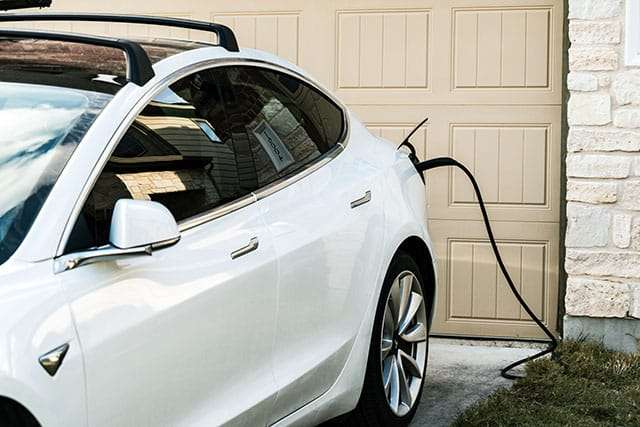
If you’ve recently made the switch to an electric vehicle, or you’re planning to soon, you’ve probably started thinking about home charging options. Installing an EV charger isn’t difficult, but it does require some planning to make sure your setup is safe, reliable, and built for the long haul.
At Exact Electric, we’ve installed hundreds of EV chargers in homes across Seattle and the surrounding area. Here’s what you should know before moving forward.
Local Requirements and Permits
Seattle has specific guidelines around EV charger installation. According to SDCI Tip, any charging equipment you install must be UL‑listed, permitted, and inspected by the city. It also has to meet National Electrical Code and Seattle’s amended codes.
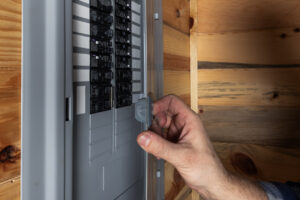
Depending on your home’s electrical setup and how far your charging location is from your main panel, there may be additional considerations like panel upgrades, new circuits, or conduit runs. That’s why the first step is always an assessment from a licensed electrician.
Level 1 vs. Level 2 Chargers
There are two main options for home charging:
- Level 1 chargers plug into a standard 120V outlet. They’re the slowest, adding about 3–5 miles of range per hour. No special install required, but you’ll need patience.
- Level 2 chargers use 240V power and require a dedicated circuit. These add 25–30+ miles of range per hour and are the most common setup for EV owners at home.
Most homeowners choose Level 2 for convenience and future-proofing. It does require some electrical work, especially if your panel is full or doesn’t have enough amperage.
What Will It Cost?
Installation costs can vary based on:
- The distance from your panel to the charger
- Whether your panel needs upgrading or has space
- Permit and inspection fees
- Whether the charger is indoors, outdoors, or requires trenching
What the Process Looks Like
- Site Walk & Load Evaluation
We look at your panel, home layout, and charging needs to determine what’s possible and what’s required. - Permit & Planning
We’ll handle the permitting process, confirm code compliance, and prepare materials. - Installation
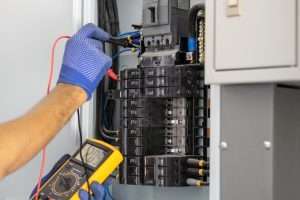
Once approved, we install your charger, test for safety and performance, and coordinate final inspection with your city or county.
Should I upgrade my panel?
Many older homes in the Seattle area don’t have room on the panel for a Level 2 charger. In that case, a panel upgrade may be needed to safely support the additional load. This is important if you’re also thinking about adding a hot tub, solar, or other high‑demand systems.
If you’re wondering “Should I upgrade my panel?” when planning for an EV charger, we’ll walk you through the pros, cons, and timing.
We’ll help you choose the right equipment, confirm your home is ready, and complete the job with safety and code compliance in mind. Questions? Contact us!
Sign up for Empowering Electrical News
We won't share your information
Recent Posts





Get in Touch
"*" indicates required fields