
Is Your Electrical Panel Holding You Back?
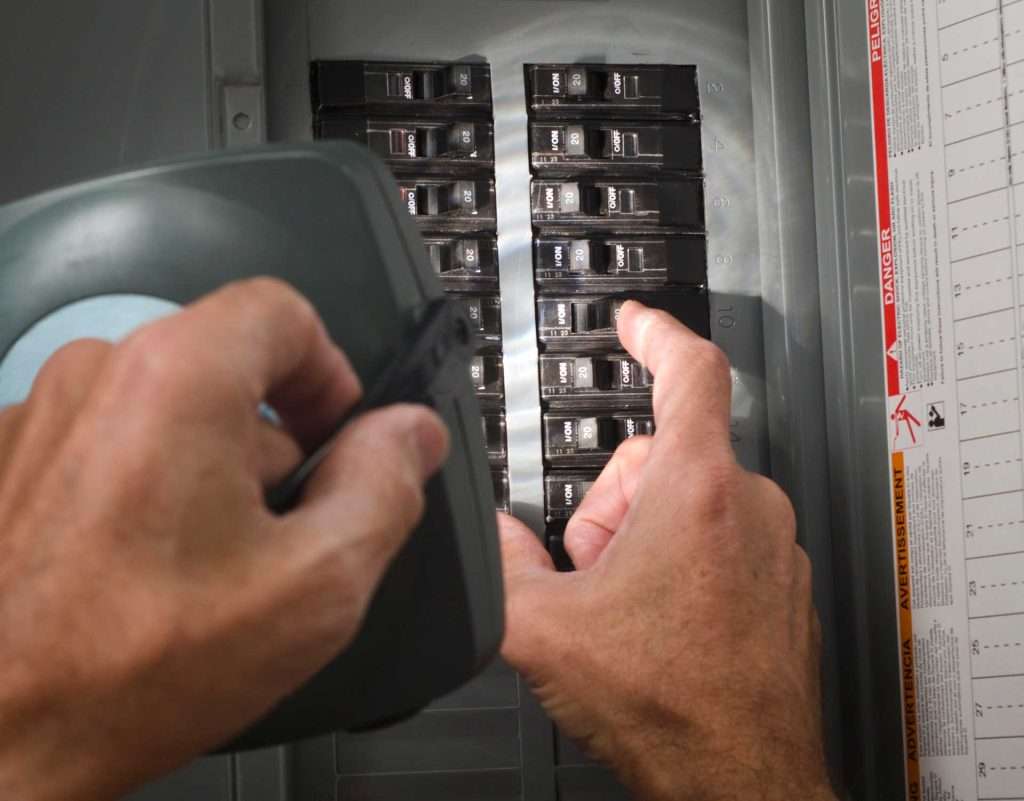
You’ve upgraded your appliances, maybe added a hot tub, or you’re thinking about getting an EV charger. But what about the system that powers it all?
If your electrical panel can’t keep up with today’s electrical demands, it could be quietly limiting your home’s performance, safety, and future plans. At Exact Electric, we regularly help Greater Seattle homeowners assess whether their panels are still doing the job or are ready for retirement.
What Exactly Is Your Electrical Panel?
Think of it as your home’s power distribution center. It takes electricity from the utility company and routes it to the different circuits throughout your house. Every light, outlet, appliance, and system depends on the panel to deliver consistent, balanced power.
The catch? Older panels weren’t designed for today’s energy use. The average home in the 1970s needed about 60 to 100 amps. Today’s homes often require 200 amps or more. The wiring of your home can tell you a lot about the electrical history of your home.
Here’s where things start to stack up:
- Kitchens & Remodels: Newer appliances, induction cooktops, and built-in microwaves add demand—especially in kitchens where multiple devices run simultaneously.
- EV Chargers: A Level 2 charger can require 40 to 60 amps by itself. That’s as much draw as an entire 1960s house.
- Hot Tubs, Saunas, and Heat Pumps: These are powerful systems that often need their own dedicated circuits.
- Smart Home Systems: From servers and backup batteries to security systems and streaming gear – it’s all drawing power around the clock.
Signs Your Panel Is Holding You Back
Wondering if your system is maxed out? Here’s what we see most often:
- Breakers that trip when you plug in a new appliance
- Lights dimming when the fridge or A/C kicks on
- Buzzing, clicking, or heat coming from the panel
- You’ve run out of slots and are using “double-tapped” breakers
- Contractors recommending subpanels as a workaround
These are all signals that your panel is either outdated, overloaded or both.
Why a Panel Upgrade Isn’t Just a “Nice-to-Have”
Upgrading your panel isn’t a vanity project. It’s about protecting your investment, increasing your home’s value, and avoiding electrical failures that can lead to damaged appliances or even fire hazards.
A modern-amp panel:
- Distributes power more evenly and efficiently
- Allows for future additions like solar, battery storage, or heat pumps
- Improves safety with updated breaker technology
- Reduces the chance of overloads and circuit issues
What’s Actually Involved in a Panel Upgrade?
A panel upgrade is a precise, high-safety project that goes beyond just swapping boxes. Here’s what’s typically involved when you hire Exact Electric:
1. Load Calculation & Site Assessment
We begin by calculating your home’s current and future electrical load. We take into account everything from appliances to EV chargers. This helps determine whether you need a 200-amp service or higher.
2. Permit & Utility Coordination
Panel upgrades require a permit and usually involve coordination with Seattle City Light or your local utility provider. We handle this paperwork and communication, including scheduling power shut-off and reactivation.
3. Safety First: Disconnecting Power
On upgrade day, power to your home is safely disconnected. We remove the old panel and inspect the service entry, grounding, and bonding to ensure everything is up to current code.
4. Installing the New Panel
We install a modern 200-amp (or higher) panel, organizing and labeling each circuit clearly. If you’re adding a subpanel for a detached garage, hot tub, or future ADU, this is when we prepare for that expansion.
5. Code Compliance & Rewiring (If Needed)
Older homes often need updated wiring, grounding rods, or AFCI/GFCI protection. We make sure the whole system is safe, compliant, and capable of supporting sensitive electronics and smart systems.
6. Inspection & Power Restoration
Once the panel is installed, we coordinate the final inspection and utility reconnection. Most homeowners are back up and running the same day.
If you’re planning any major additions or if your panel is more than 30 years old, it’s worth taking a closer look. We can help! Contact us today.
Sign up for Empowering Electrical News
We won't share your information
Recent Posts





Get in Touch
"*" indicates required fields