
Is It Normal for My Lights to Flicker?
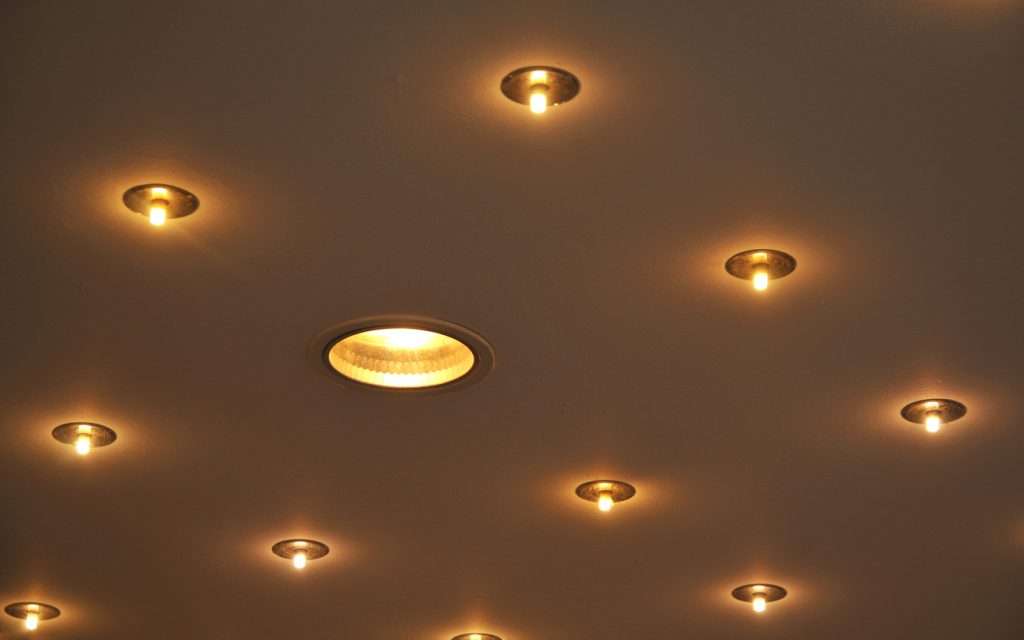
Most homeowners have experienced it.
The lights dim when the microwave starts. A bedroom fixture flickers briefly. The hallway light seems unstable for no obvious reason.
Occasional flickering can be harmless. But consistent or unexplained flickering is often an early warning sign that your electrical system needs attention.
Here’s how to tell the difference.
When Flickering Lights is Normal
High-Demand Appliances Starting Up
Large appliances like heat pumps, furnaces, refrigerators, or microwaves draw a temporary surge of electricity when they start. A subtle, split-second dimming effect can be normal. However, noticeable or prolonged dimming is not.
LED Bulb and Dimmer Compatibility
Many older dimmer switches are not fully compatible with modern LED bulbs. This mismatch can cause flickering, buzzing, or uneven brightness. If the issue started after switching bulbs, this may be the cause.
When Flickering Lights Are a Warning Sign
Persistent flickering often points to deeper electrical issues such as:
Loose Wiring Connections
Loose connections may occur:
- At the light fixture
- Inside switch boxes
- In junction boxes
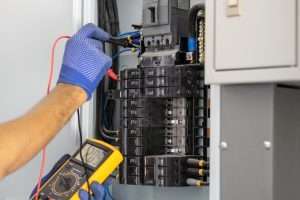
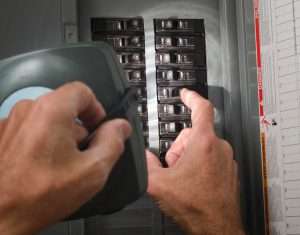
- Within the electrical panel
Loose wiring creates resistance, which produces heat. Over time, this increases fire risk.
Overloaded Circuits
Modern homes use significantly more power than homes built 20 to 40 years ago.
If multiple high-demand devices share a circuit, you may notice:
- Lights dimming when appliances turn on
- Breakers tripping
- Uneven power distribution
This may indicate the need for additional circuits or a panel upgrade.
Aging or Undersized Electrical Panels
Many older homes still operate on 100-amp service. Today’s electrical demands often require 200 amps or more.
If your home has:
- An outdated panel
- Limited breaker space
- Recent appliance upgrades
Flickering may signal capacity strain.
Utility or Service Connection Issues
If lights flicker throughout the entire home, especially during wind or storms, the issue may involve:
- The service mast
- Utility connection
- Weather-related infrastructure stress
Pacific Northwest Considerations
In the Pacific Northwest, many homes were built between the 1940s and 1980s. These homes may still contain:
- Knob-and-tube wiring
- Aluminum branch wiring
- Aging panels
- Limited service capacity
In addition, winter storms and heavy tree coverage can strain service lines, leading to intermittent voltage fluctuations. If you live in an older neighborhood, flickering lights are more likely to signal a wiring or capacity issue rather than just a bulb problem.
Quick Homeowner Checklist
If your lights are flickering, ask:
- Is it one fixture or multiple rooms?
- Does it happen when a specific appliance turns on?
- Has it worsened over time?
- Are breakers tripping?
- Has your home been updated with new appliances or EV charging?
The answers help determine whether it’s minor or systemic.
Why You Shouldn’t Ignore Persistent Flickering
Electrical systems rarely fix themselves. Left unaddressed, flickering can lead to:
- Damaged electronics
- Increased fire risk
- Panel failure
- Unexpected outages
Early evaluation is almost always simpler and less expensive than emergency repair.
When to Call a Licensed Electrician
You should schedule a professional evaluation if:
- Flickering affects multiple circuits
- Lights dim significantly during appliance use
- You hear buzzing from outlets or the panel
- Breakers trip regularly
- Your home has older wiring
We conduct thorough electrical assessments to identify root causes and provide clear, code-compliant solutions.
Frequently Asked Questions
Why are my lights flickering in one room only?
This often indicates a loose fixture connection, faulty switch, or localized wiring issue.
Why do my lights flicker when the AC turns on?
Your HVAC system draws a high starting current. Significant dimming may mean your panel or circuits are nearing capacity.
Are flickering lights a fire hazard?
They can be. If caused by loose wiring or overheating connections, flickering may indicate increased fire risk.
Do I need a panel upgrade if my lights flicker?
Not always, but if flickering is tied to high-demand appliances or an older 100-amp panel, an upgrade may be recommended. Check out these 10 signs it’s time for an electrical upgrade.
Should I worry about occasional flickering?
Brief, isolated flickering may not be serious. Persistent or worsening flickering should be evaluated. If flickering is becoming more frequent, it’s worth a professional evaluation. Early assessment can prevent larger issues down the road.
Contact us to schedule an electrical checkup and ensure your system is operating safely and reliably.
Sign up for Empowering Electrical News
We won't share your information
Recent Posts

Get in Touch
"*" indicates required fields