
A Homeowner’s Guide to Level 2 EV Charger Installation

If you’ve recently moved to an electric vehicle, you’ve likely discovered the limits of a standard 120-volt outlet. Overnight charging doesn’t always keep up with daily driving, especially during Seattle’s colder months when batteries are less efficient, and public chargers aren’t always convenient or available. That’s why many homeowners, particularly those charging a Tesla at home, decide a Level 2 charger is the best option.
We install Level 2 EV chargers safely, cleanly, and in full compliance with current electrical code so you can experience the convenience of charging your car at home. Below are the most common questions homeowners ask us and the answers you need to plan your installation.
Do I Need to Upgrade My Electrical Panel for an EV Charger?
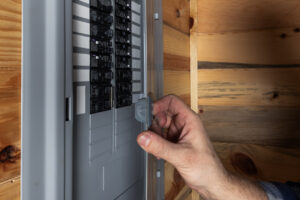
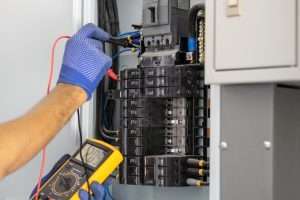
Not always, but many homes’ electrical panels do hold up the installation. A Level 2 charger draws significantly more power than a standard outlet (typically 30 to 60 amps) depending on the charger. If your panel is older, full, or already near capacity, an upgrade may be required. During an in-home assessment, we check:
- Available breaker space
- Overall panel capacity
- Existing electrical load
- Wiring condition
- Future electrical plans (heat pumps, remodels, hot tubs, etc.)
If an upgrade is needed, we explain the options clearly, whether it’s a panel swap or a full service upgrade, so you can make an informed decision.
How Much Does a Level 2 EV Charger Installation Cost?
The cost depends on a few key factors:
- Distance between the panel and installation location
- Whether wiring needs to be run through finished spaces
- Outdoor vs. indoor installation
- Panel upgrade requirements
- Permitting and inspection fees
- Trenching or conduit work for detached garages
We provide a detailed, transparent estimate so you know exactly what to expect before scheduling the work.
How Long Does Installation Take?
Most installations take a few hours, but upgrades or longer wiring runs can extend the timeline. Permits and inspections are required in most jurisdictions, and Exact Electric handles those for you. Once permitting is complete, the installation itself is typically straightforward.
What’s the Difference Between Level 1 and Level 2 Charging?
A simple breakdown:
Level 1:
- Plugs into a standard 120V outlet
- Charges slowly
- Generally adds 3–5 miles of range per hour
Level 2:
- Requires a 240V circuit
- Charges much faster
- Typically adds 20–40 miles of range per hour
Most homeowners choose Level 2 because it supports daily driving without waiting overnight.
Where Should I Put My EV Charger?
Placement depends on:
- Where you park
- How the charger cord reaches the vehicle
- Panel access and wiring path
- Weather exposure for outdoor installs
We help you choose the best location for convenience, safety, and long-term use, whether it is inside a garage, outside on a wall, or near a parking pad.
Do I Need a Permit for an EV Charger Installation?
Yes. Level 2 chargers require a permit and inspection to ensure the installation meets local electrical code and safety standards. We manage the permitting process from start to finish.
Will a Level 2 Charger Increase My Electric Bill?
Your electricity usage will increase, but most homeowners find the cost similar to or lower than fueling a gas-powered vehicle. Smart chargers can also schedule charging during off-peak hours to reduce cost further.
What Type of EV Charger Should I Buy?
There are many reliable brands, and the right choice depends on:
- Vehicle model
- Desired charging speed
- Smart features (scheduling, energy monitoring)
- Hardwired vs. plug-in setup
- Amperage requirements
If you’re unsure, we can recommend options that fit your home’s electrical capacity and your driving habits.
Can I Install More Than One Charger?
Yes. In households with two EVs, we can install two dedicated circuits, or a load-sharing system that allows both vehicles to charge safely. We’ll evaluate your panel capacity to determine the best setup.
Is Outdoor Installation Safe?
Yes, when done correctly. Outdoor-rated chargers are designed to withstand moisture and temperature changes. We install weatherproof enclosures, proper conduit, and GFCI protection to ensure long-term durability and safety.
Can I Take My EV Charger With Me If I Move?
In many cases, yes. If the unit is a plug-in model, it’s easy to remove. Hardwired units can also be removed, but will need to be capped or replaced with a proper outlet or disconnect. Many homeowners choose to leave them because it improves resale value.
A Level 2 Charger Makes EV Ownership Easier
Installing a Level 2 charger is one of the most practical upgrades you can make if you drive an electric vehicle. The key is making sure the installation is safe, code-compliant, and properly sized for your home.
Exact Electric handles:
- Assessment and load calculations
- Panel upgrades (if needed)
- Charger installation
- Permits and inspections
- Clean, professional workmanship
Ready to Install a Level 2 EV Charger?
If you’re considering an EV charger, we can help. Contact us for a site assessment, recommendations, and clear, upfront pricing.
Sign up for Empowering Electrical News
We won't share your information
Recent Posts





Get in Touch
"*" indicates required fields